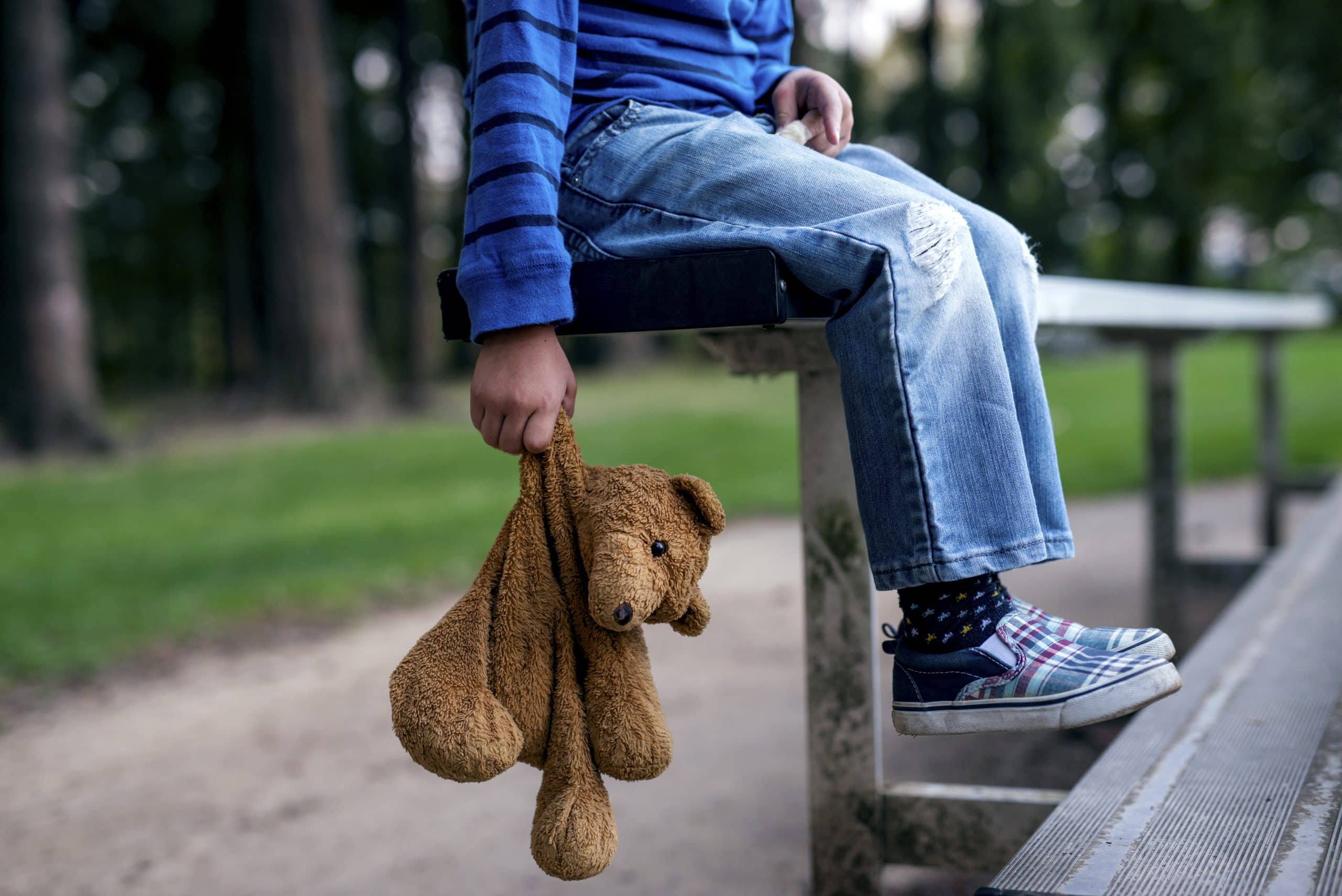













What is Child Abuse?
Child abuse can take many forms, including physical, emotional, and sexual harm. Most often, children are abused by someone they know, love, and trust. This could include family members, close friends, neighbors, or individuals in positions of authority such as teachers, coaches, or faith leaders.


How to Report Suspected Child Abuse
What the law says on reporting:
If You’re Unsure Abuse Has Occurred
You do not have to be certain to make a report. If you suspect that a child may be in danger, it’s always better to speak up and let professionals determine the next steps. When you report in good faith, the law protects you from civil or criminal liability. Failing to report suspected abuse, however, is a crime and can lead to legal consequences.
When reporting, you will be asked for information in three main areas:

People Involved
- The child or children you suspect are being abused
- The person(s) you suspect of committing the abuse
- Others living in the home or who may have knowledge of the situation

What Happened & Safety Concerns
- Specific concerns and reasons for your report
- Information about domestic violence, drug or alcohol use, unsafe living conditions, or the presence of weapons

Helpful Details to provide (if known):
- Child’s name, age, and address
- Parents’ names and names of siblings
- Current injuries, medical conditions, or behavioral changes
Want to Learn More?
Learn how to identify the signs of abuse, understand your responsibility to report, and take action to protect children. This resource is designed to support parents, educators, caregivers, and community members with practical guidance, clear steps, and important hotline information—all in one easy-to-read guide.

Need to report suspected child abuse?
Anyone who has reasonable cause to suspect that a child is a victim of abuse or neglect is required by Texas law to report their concerns immediately to the police or the Texas Child Abuse Hotline at 1-800-252-5400.
If you believe a child is in immediate danger, please call local law enforcement or 911.